Welcome to Yashus Networks

When evaluating the qualities of the best network security company, several key factors should be considered to ensure they can effectively protect an organization's digital assets. Here are some essential qualities: Comprehensive Expertise and Knowledge Skilled Professionals: Employs certified and experienced security professionals with expertise in various domains of cybersecurity, including penetration testing, incident response, and risk management. Diverse Expertise: Covers a wide range of security areas, such as network security, application security, cloud security, and endpoint security. .

Get Started

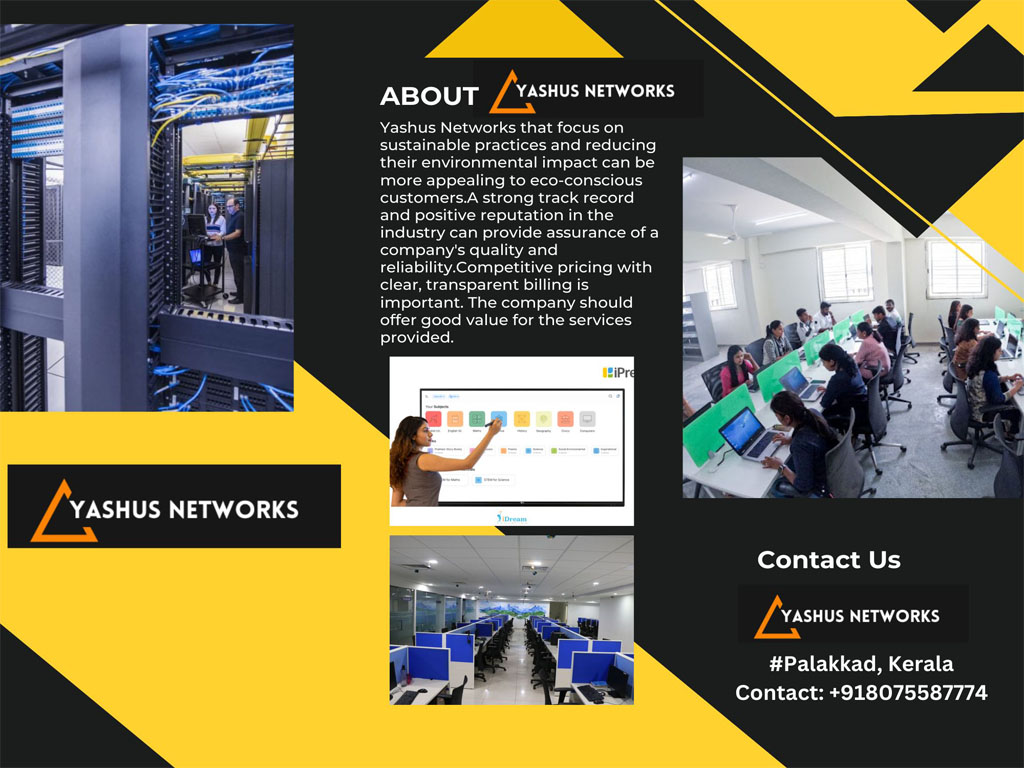
About Yashus Networks.

We understand that every business is unique, which is why we tailor our solutions to meet your specific needs. Our process includes Assessment: Conducting a thorough evaluation of your current network security posture. Strategy Development: Crafting a customized security plan based on your business objectives and risk profile.

Implementation: Deploying state-of-the-art security technologies and protocols to protect your network. Continuous Monitoring and Support: Providing 24/7 monitoring and support to ensure ongoing protection and peace of mind..

Expertise: Our team comprises certified professionals with extensive experience in network security. Proven Track Record: We have successfully secured networks for businesses across various industries. Client-Centric Approach: We prioritize building long-term relationships with our clients by providing exceptional service and support.
Get a quote

Kindly Enter your details to receive call from our technical team aith price estimate and technical explanation.

Loading
Your quote request has been sent successfully. Thank you!

About Our Support and Services

We would love the opportunity to discuss how we can help secure your network and support your business objectives.

Networking.

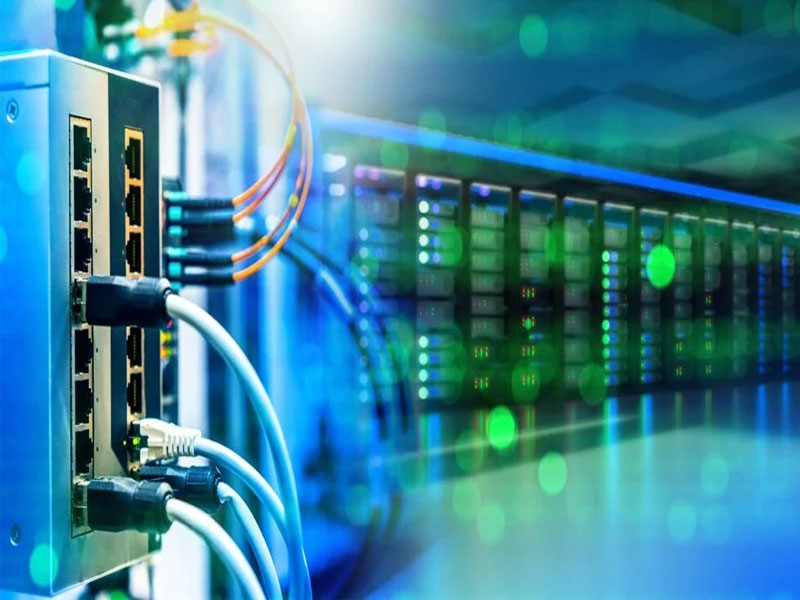
Networking refers to the practice of connecting multiple computing devices, such as computers, servers, printers, and other hardware, to share resources, communicate, and exchange data. A computer network can be as simple as a few devices connected in a home or as complex as a global network of servers and devices, like the Internet..

Network Security

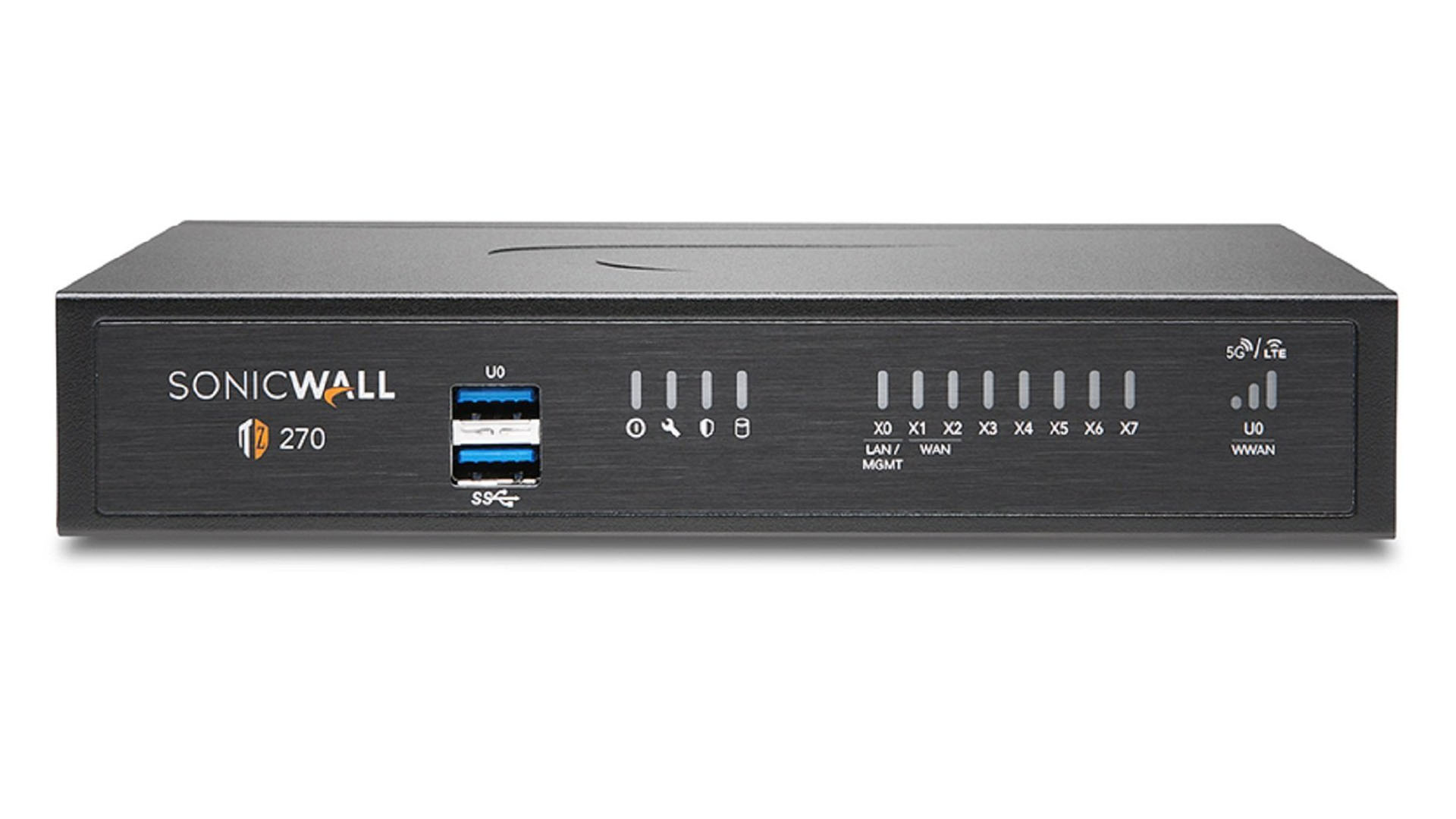
Network Security refers to the measures and protocols implemented to protect the integrity, confidentiality, and availability of computer networks and data from unauthorized access, misuse, malfunction, modification, destruction, or improper disclosure. It involves a combination of hardware, Software and algorithms..

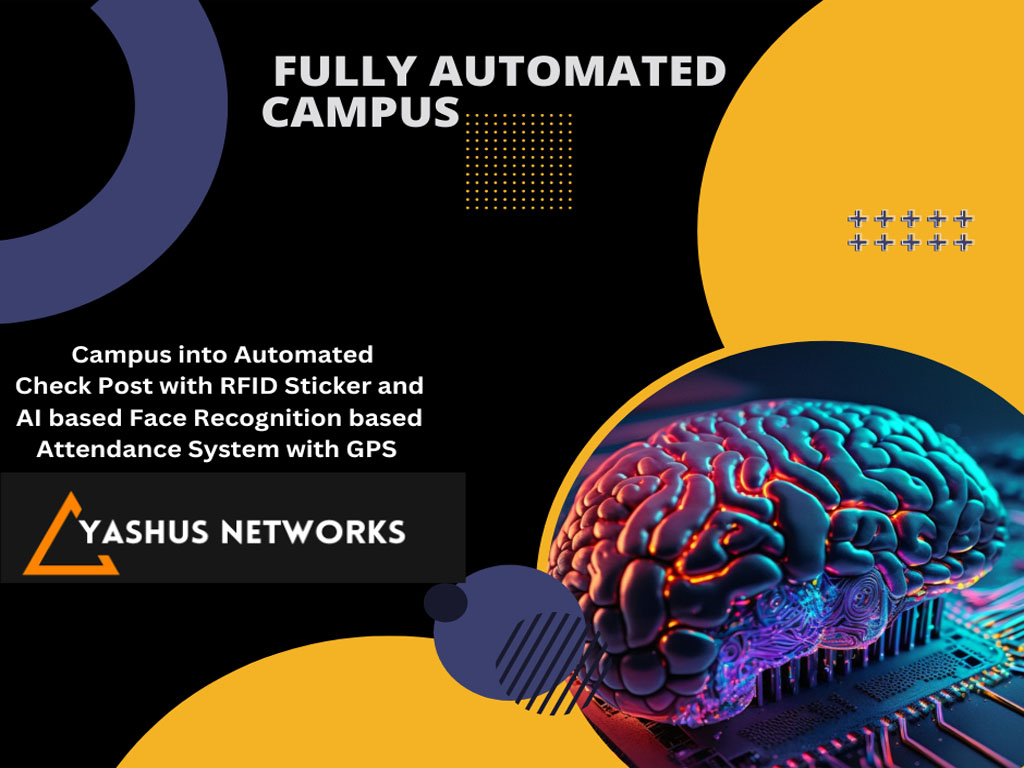
Automation

Automation is the use of technology to perform tasks with minimal human intervention. It involves implementing systems and software that can execute repetitive or routine processes, often enhancing efficiency, accuracy, and speed. Automation can be applied in various fields, including manufacturing, information technology, business processes, and everyday tasks.

E-Security

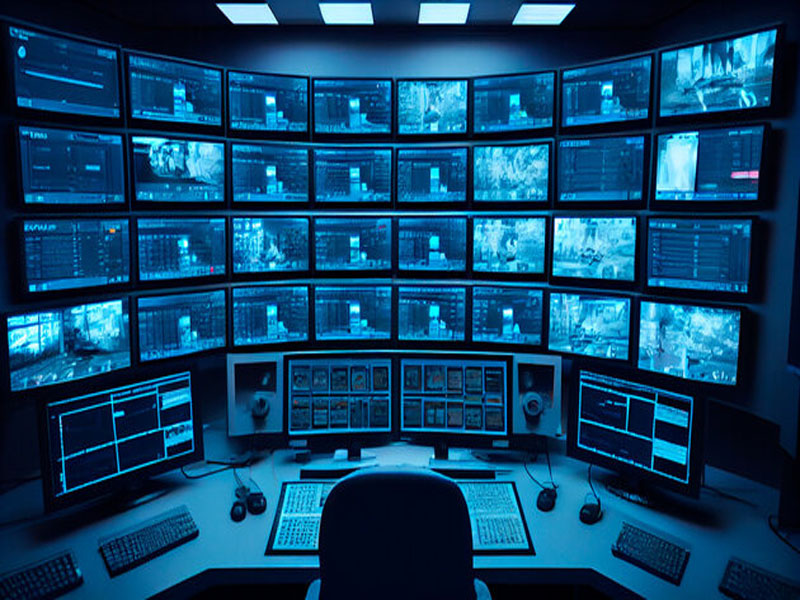
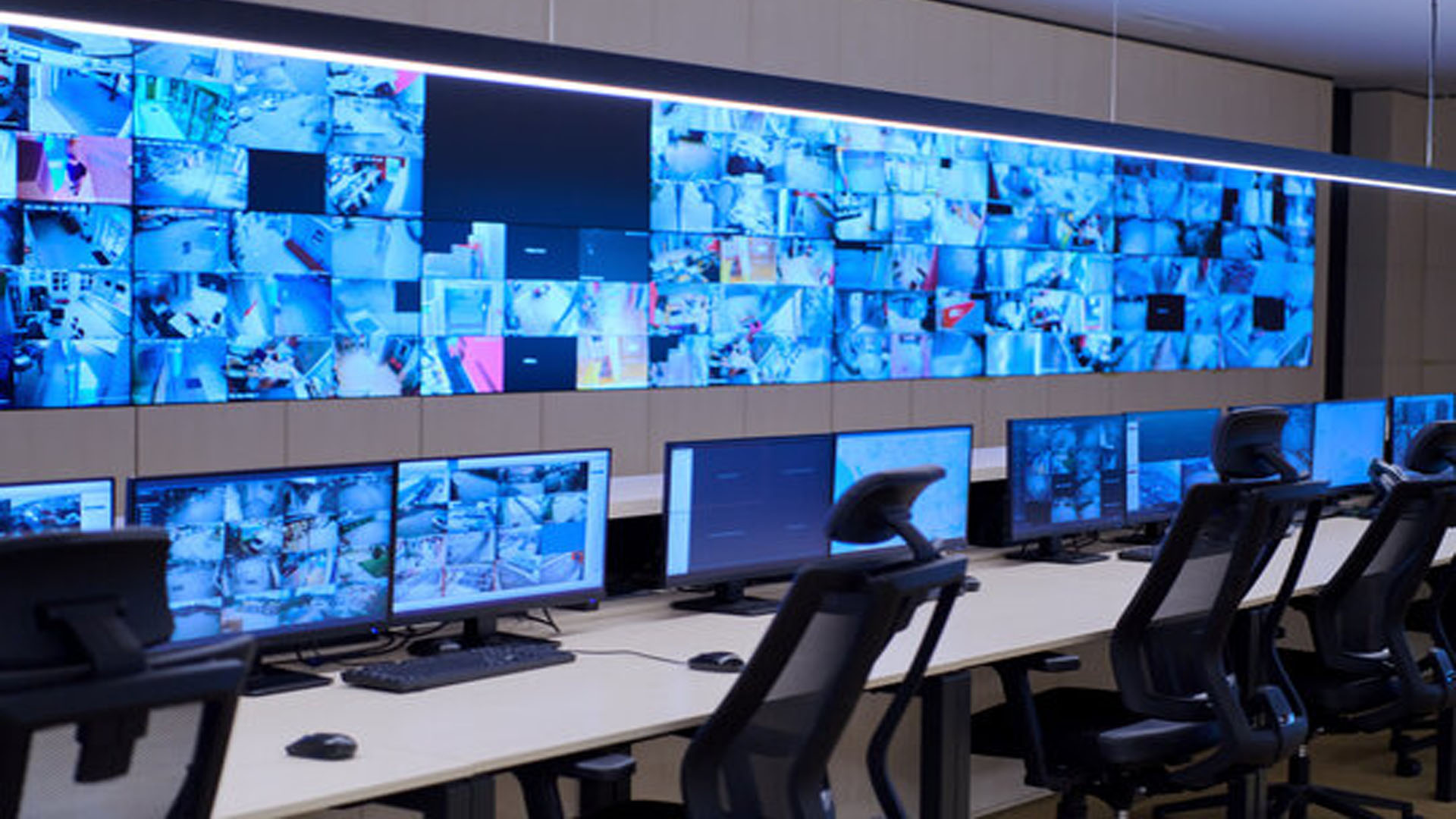
Electronic Security refers to the use of electronic systems and devices to protect people, property, and information from unauthorized access, theft, damage, or other security threats. This type of security integrates various technologies to create comprehensive solutions for monitoring, detecting, and responding to security incidents..

Services

We prioritize building long-term relationships with our clients by providing exceptional service and support.

Data Center Solutions

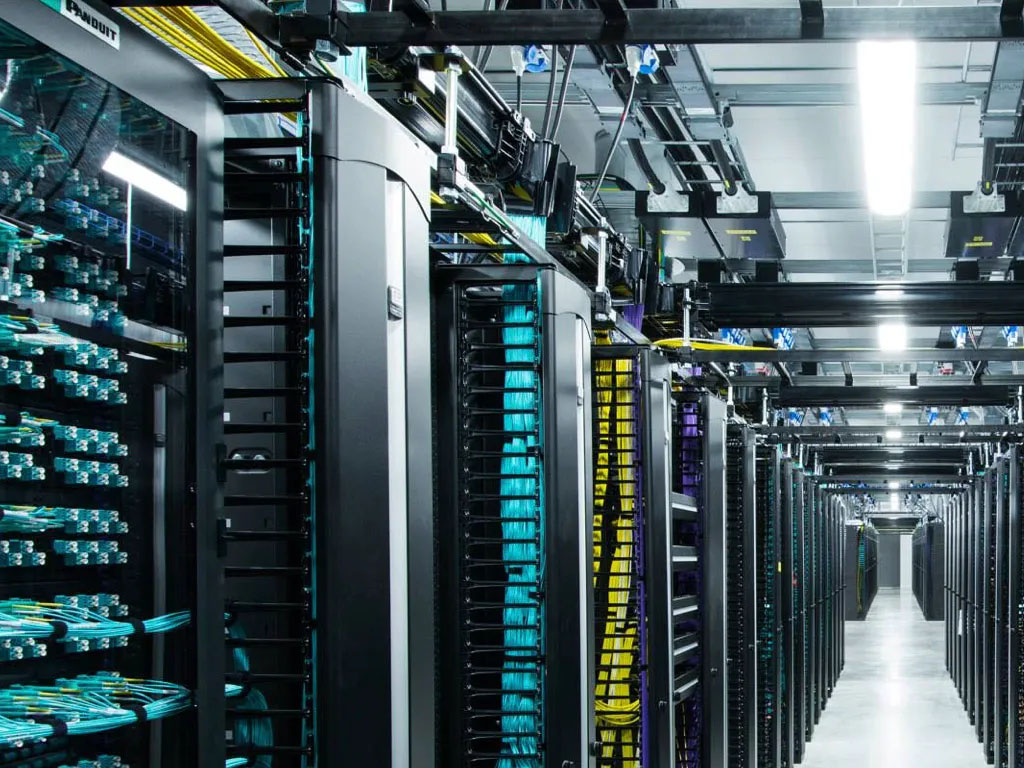
The term "tier" in data centers refers to a standardized classification system that defines the reliability and availability of a data center's infrastructure. Developed by the Uptime Institute, the tier system helps organizations understand the level of redundancy, fault tolerance, and uptime they can expect from a data center. There are four primary tiers, ranging from Tier I to Tier IV, each with specific requirements and capabilities.

Read more

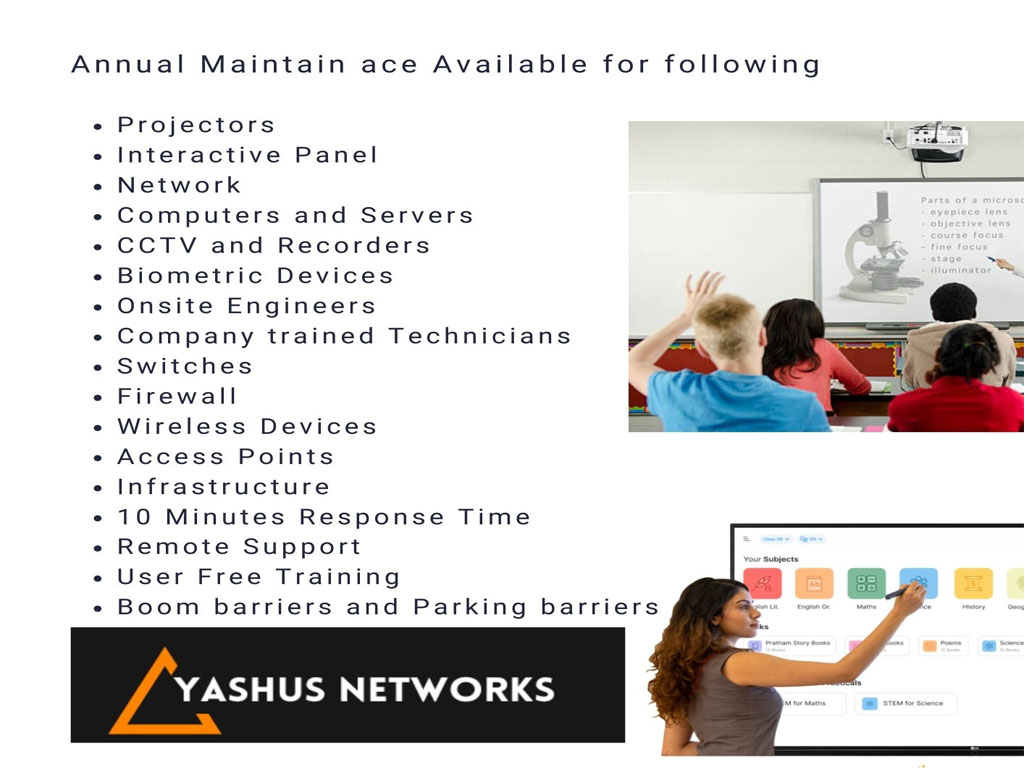
Smart Classrooms

Smart classrooms are learning environments equipped with advanced technology tools and resources designed to enhance teaching and learning experiences. These classrooms leverage interactive and digital tools to create a more engaging, efficient, and dynamic educational experience for both instructors and students.These are digital boards that allow teachers to display multimedia content.

Read more

Networking

Computer networking can be categorized into several types based on the size, range, and purpose of the network. Here are the most common types of computer networks.A LAN is a network that connects devices within a limited geographic area, such as a home, school, or office building. LANs are typically used for sharing resources like files, printers, and internet connections

Read more

Network Security

Network security auditing is the process of systematically reviewing and assessing a computer network's security measures, policies, and practices to ensure they are effective in protecting data, systems, and users from unauthorized access, breaches, and other security threats. The goal of a network security audit is to identify vulnerabilities, evaluate the effectiveness of current security controls, and ensure compliance with relevant security standards and regulations.

Read more

Electronic Security

Electronic security encompasses various systems and technologies designed to protect people, property, and information from unauthorized access, theft, damage, or other security threats. Different types of electronic security address various aspects of safety and security needs. Here are some of the main types.These systems manage who is allowed to enter or exit a building, room, or area. Access is typically granted via key cards, biometric scans, PIN codes, or mobile credentials.

Read more

Complete Infrastructure

IT infrastructure refers to the composite hardware, software, network resources, and services required for the operation and management of an enterprise IT environment. It provides the foundation upon which an organization’s information systems and technology services are built and delivered. IT infrastructure is essential for the storage, processing, and communication of data within an organization. The physical components of the IT environment, including servers, computers, data centers, routers, switches, and other devices .

Read more

Keypoints while desigining a Data Center

The key factors of a data center are critical components and considerations that ensure its efficient operation, reliability, and security. A well-designed data center must balance multiple factors to provide consistent performance, safeguard data, and support organizational needs.

Location

The physical location of a data center affects its accessibility, security, and operational costs. Factors like natural disaster risks, political stability, and proximity to users or company headquarters play a significant role.

Power Supply

Data centers require a reliable and redundant power supply to ensure uninterrupted operation. This includes primary power sources and backup power systems like generators and uninterruptible power supplies (UPS).

Cooling Systems

Effective cooling systems are necessary to maintain optimal temperatures for servers and other hardware, preventing overheating and potential damage. Types of cooling (air, liquid, evaporative), efficiency, redundancy, and environmental impact.

Network Connectivity

High-speed and reliable network connections are crucial for data centers to communicate with external networks, cloud services, and customers. Bandwidth capacity, latency, redundancy, multiple internet service providers (ISPs), and direct connections to major carriers and cloud providers.

Projects

We provide following types of services

  • All
  • Remodeling
  • Construction
  • Repairs
  • Design

App 1

Product 1

Branding 1

Books 1

App 2

Product 2

Branding 2

Books 2

App 3

Product 3

Branding 3

Books 3